To begin with, one of the main reasons we chose loose gravel for the garden was to minimise the cost of paving. But that wasn't the only consideration.
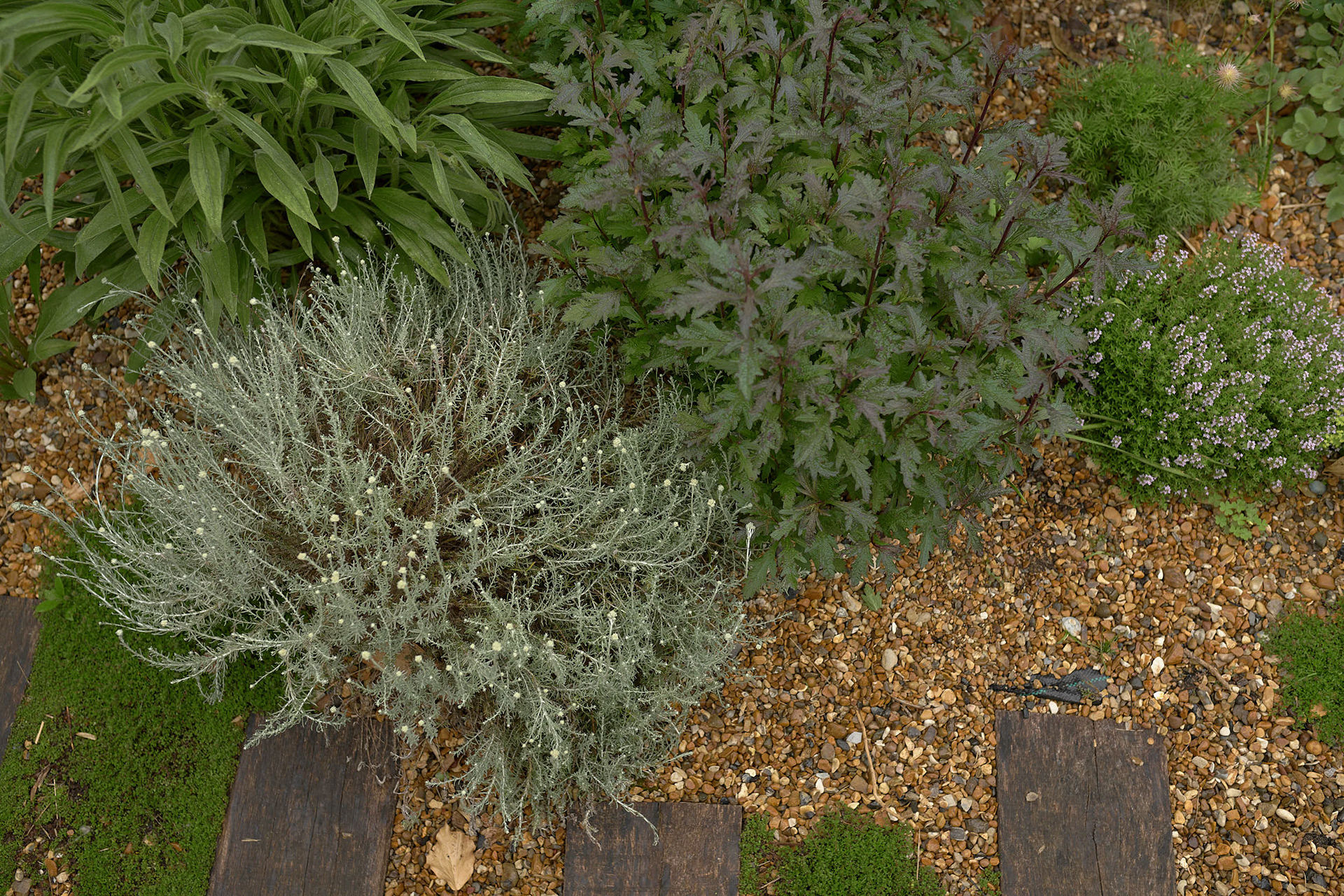
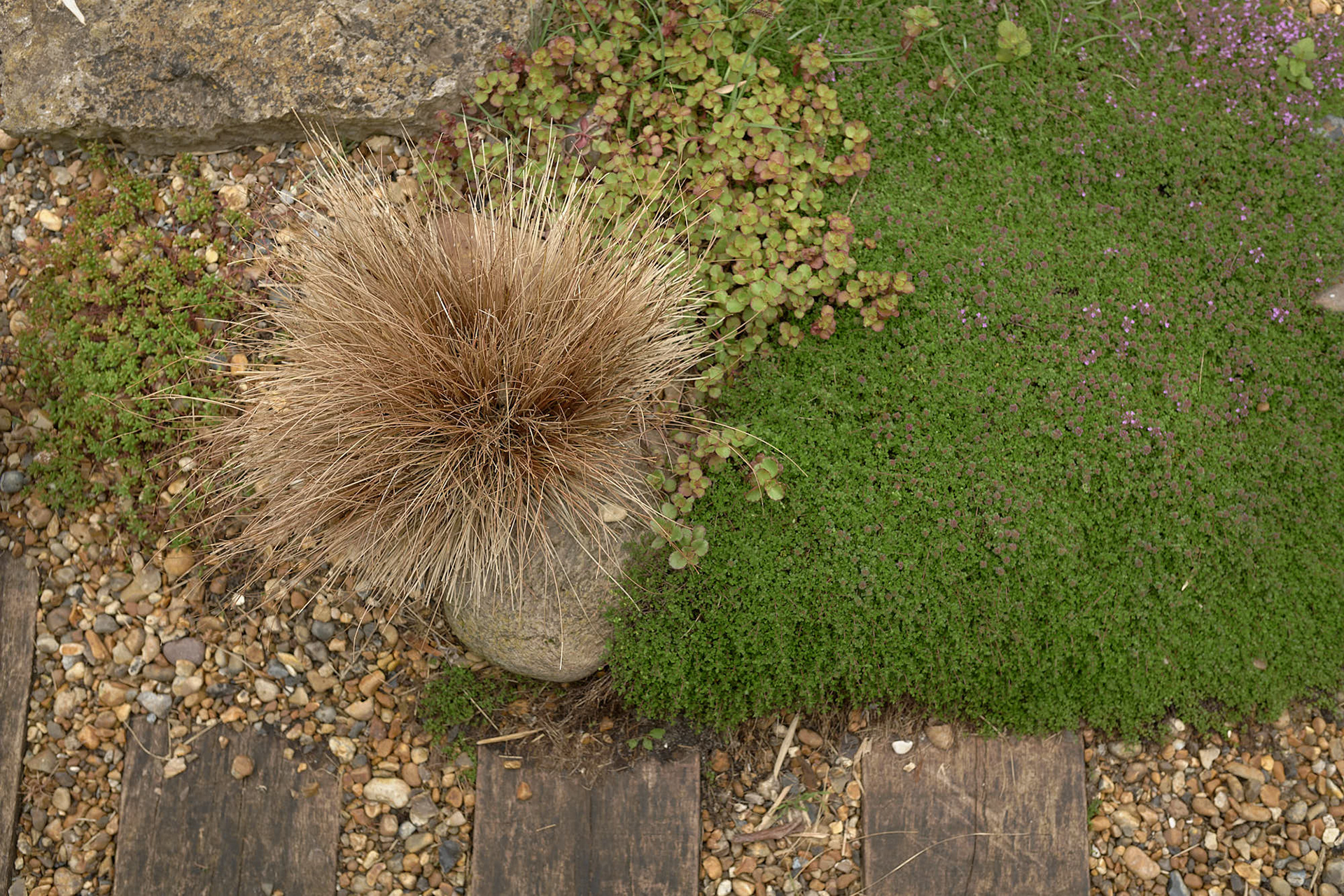
We already knew that gravel would help reduce water evaporation, suppress weeds and become a key element in our quest for a low-maintenance garden. We also wanted to lend a distinctive character to the space by creating a striking contrast between drought-tolerant planting and fresh water.
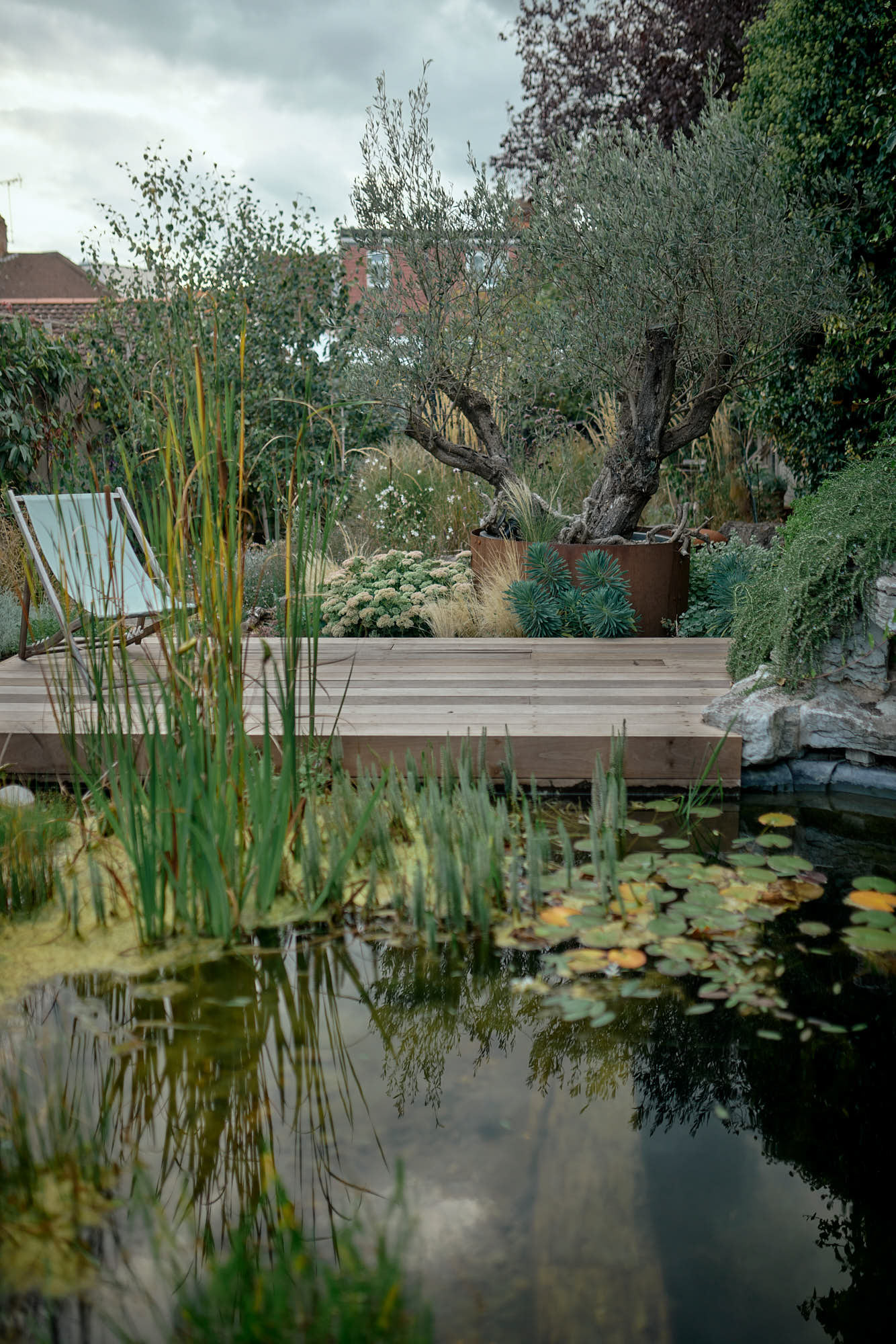
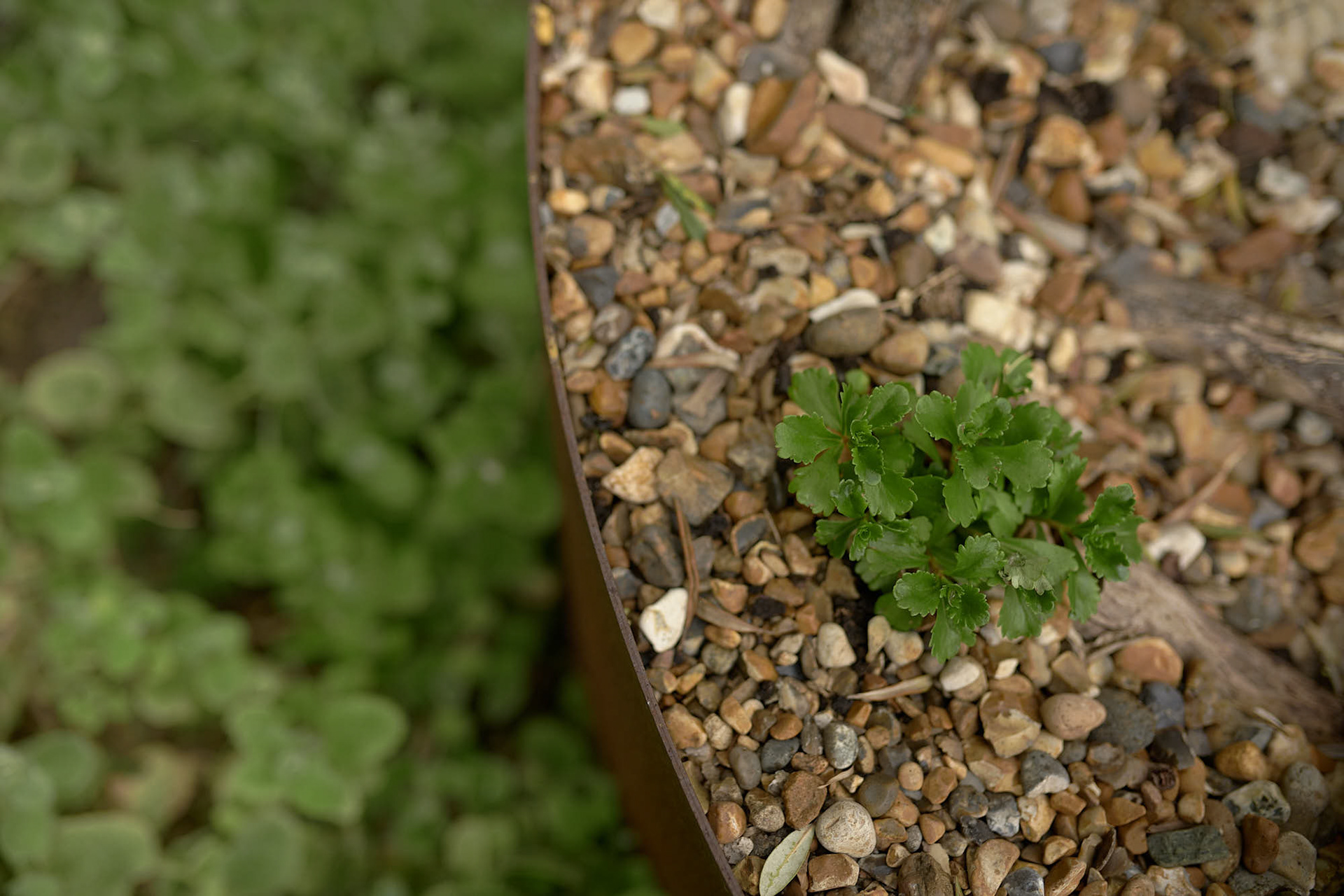
What we didn't fully appreciate, however, was that gravel would become a habitat in its own right, providing shelter for both aquatic and terrestrial wildlife while encouraging our beloved self-sowers.
A thick layer of gravel favours plants capable of rooting into exceptionally dry soil, allowing self-seeding plants to move freely around the garden. They have become the soul of the space, which simply wouldn't be the same without the annual wanderings of verbenas, stipas, deschampsias, euphorbias, thymes, yarrows and sedums. Together, they never fail to surprise and delight us with their shifting tapestry of unexpected combinations, colours and textures.
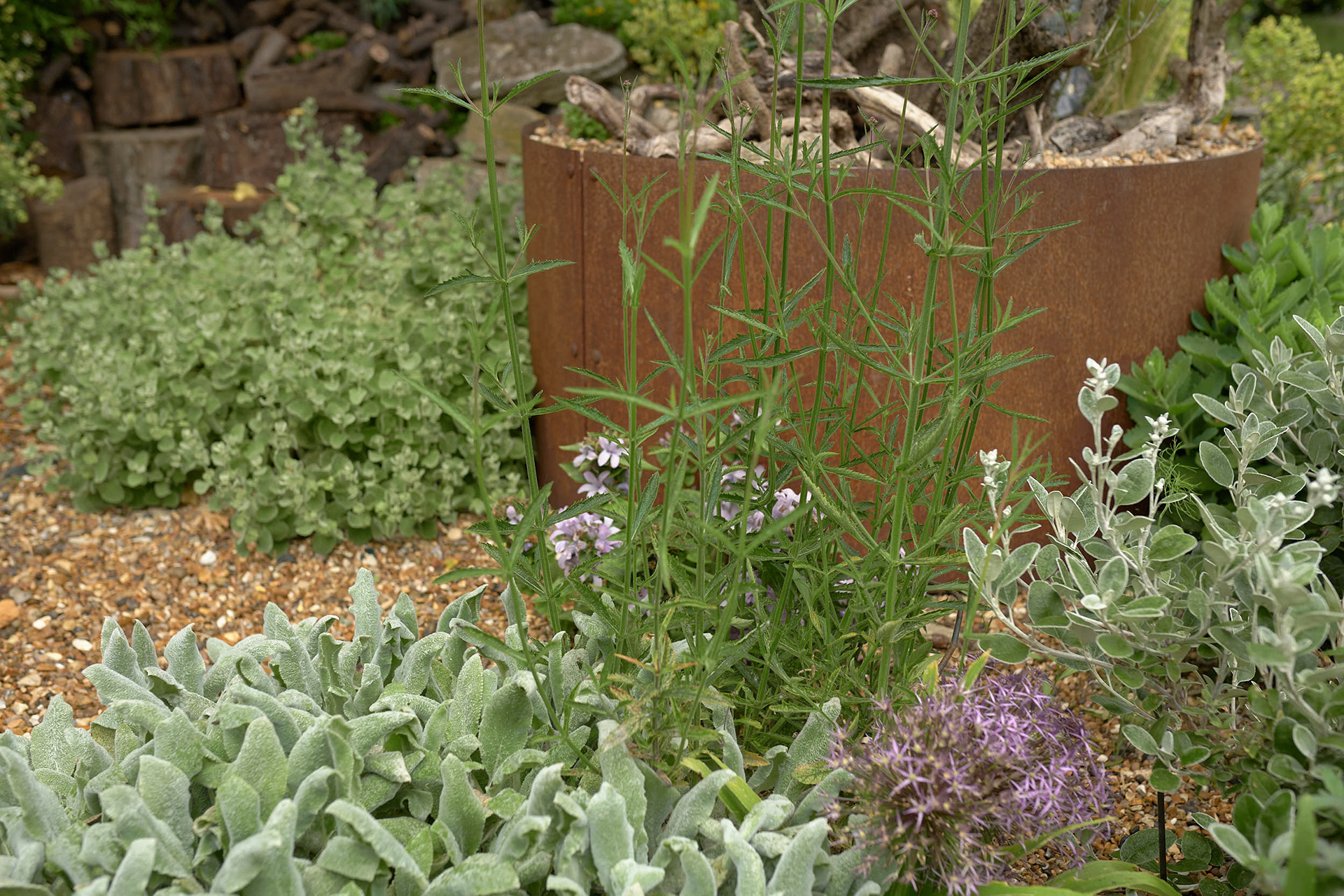
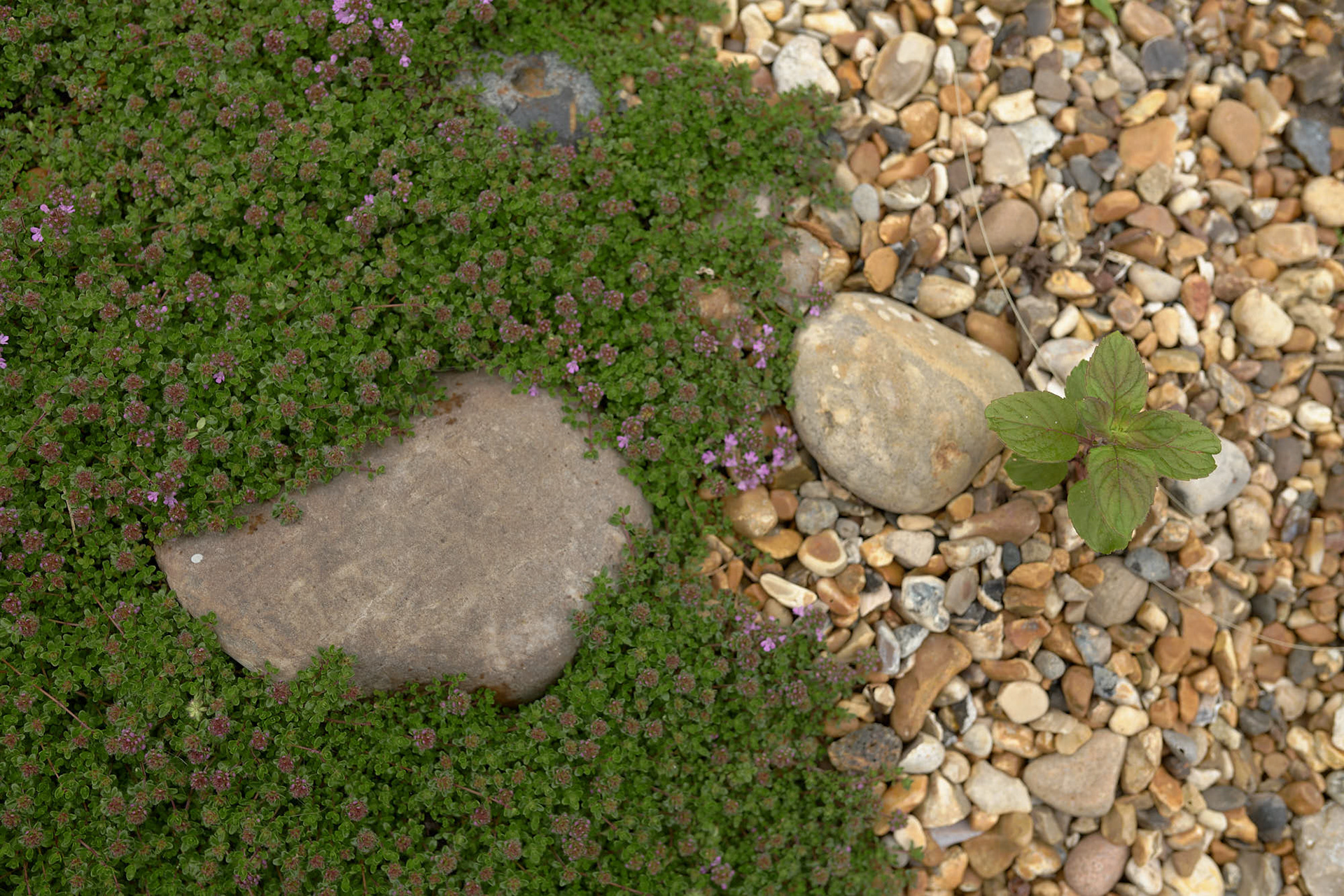
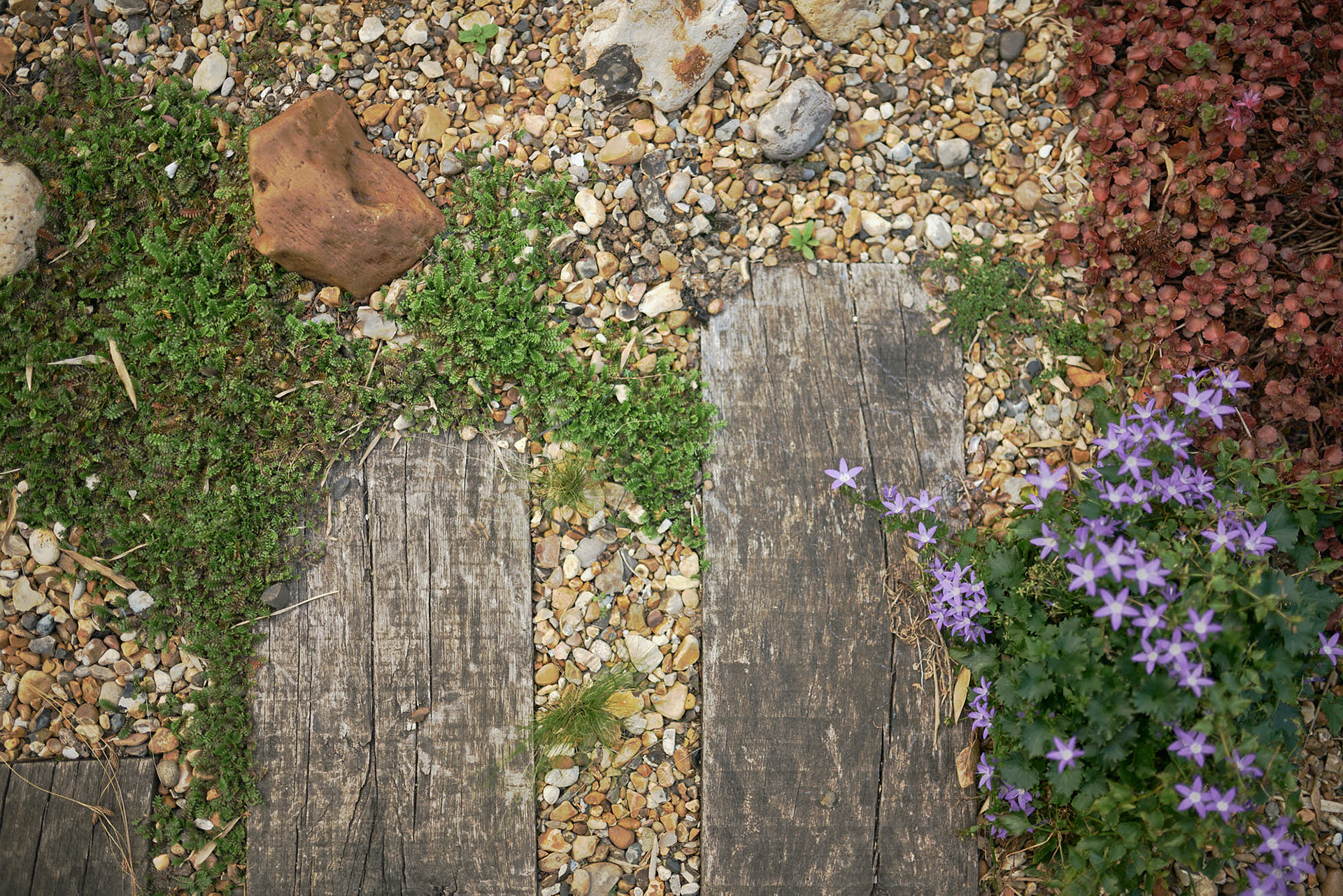
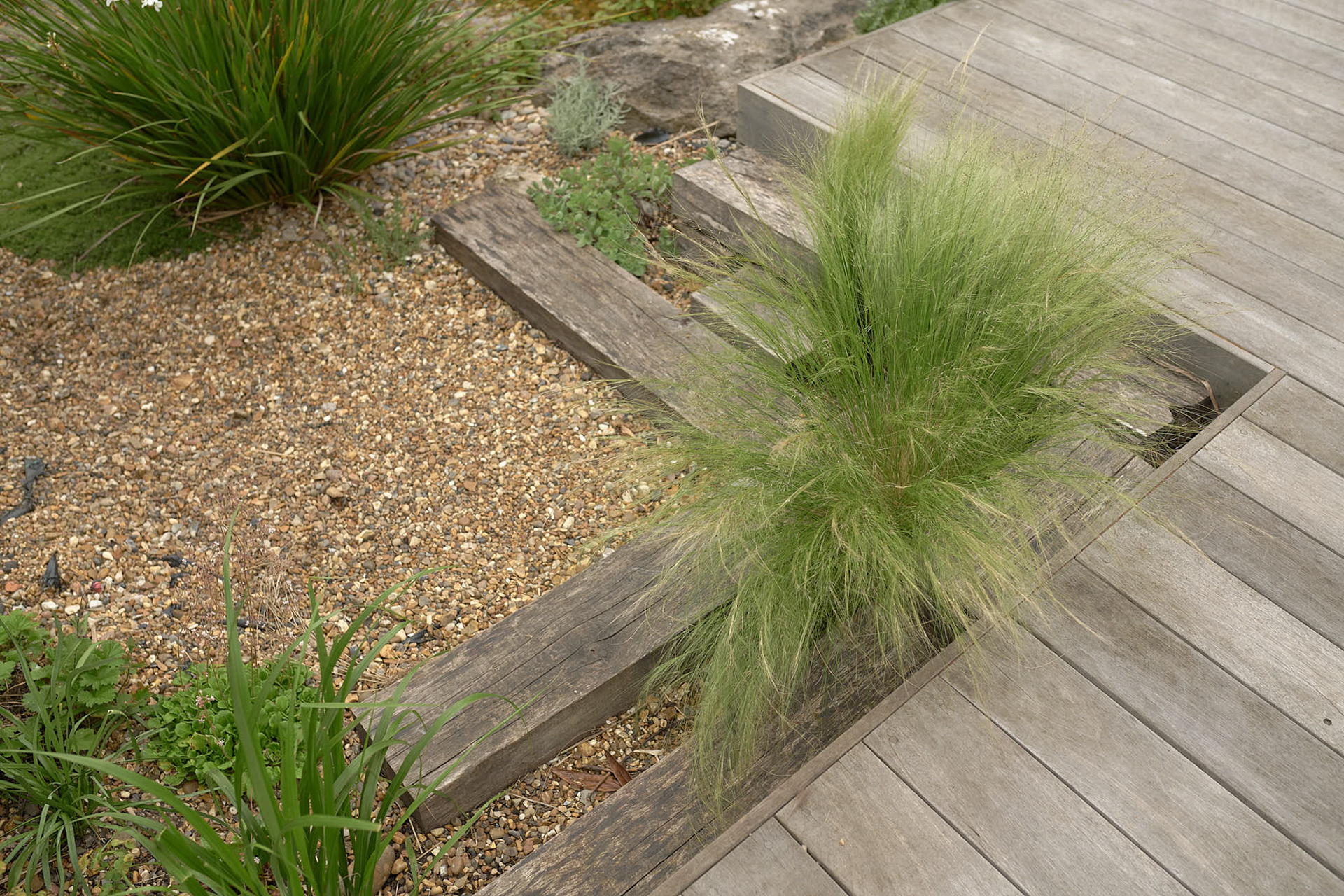
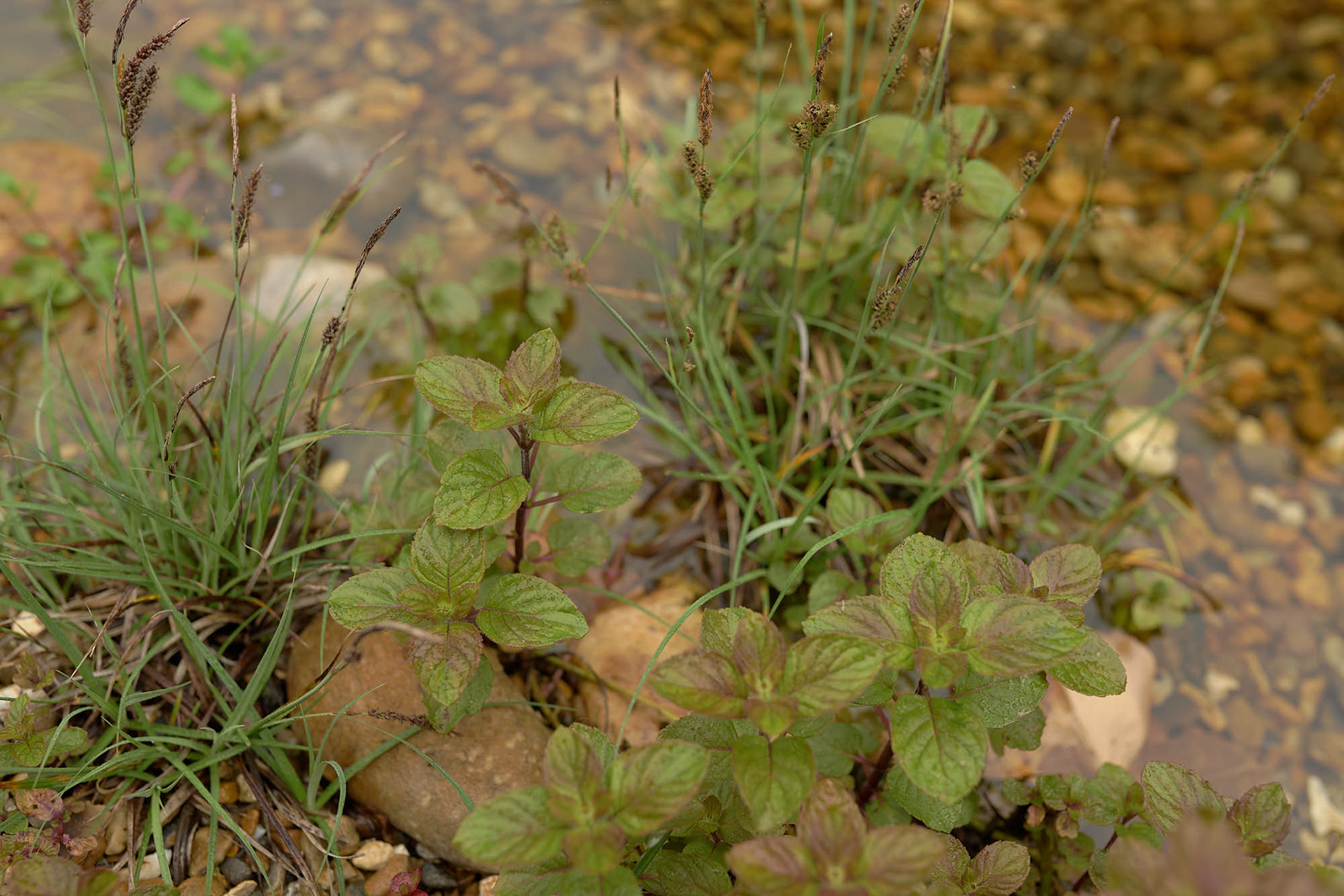
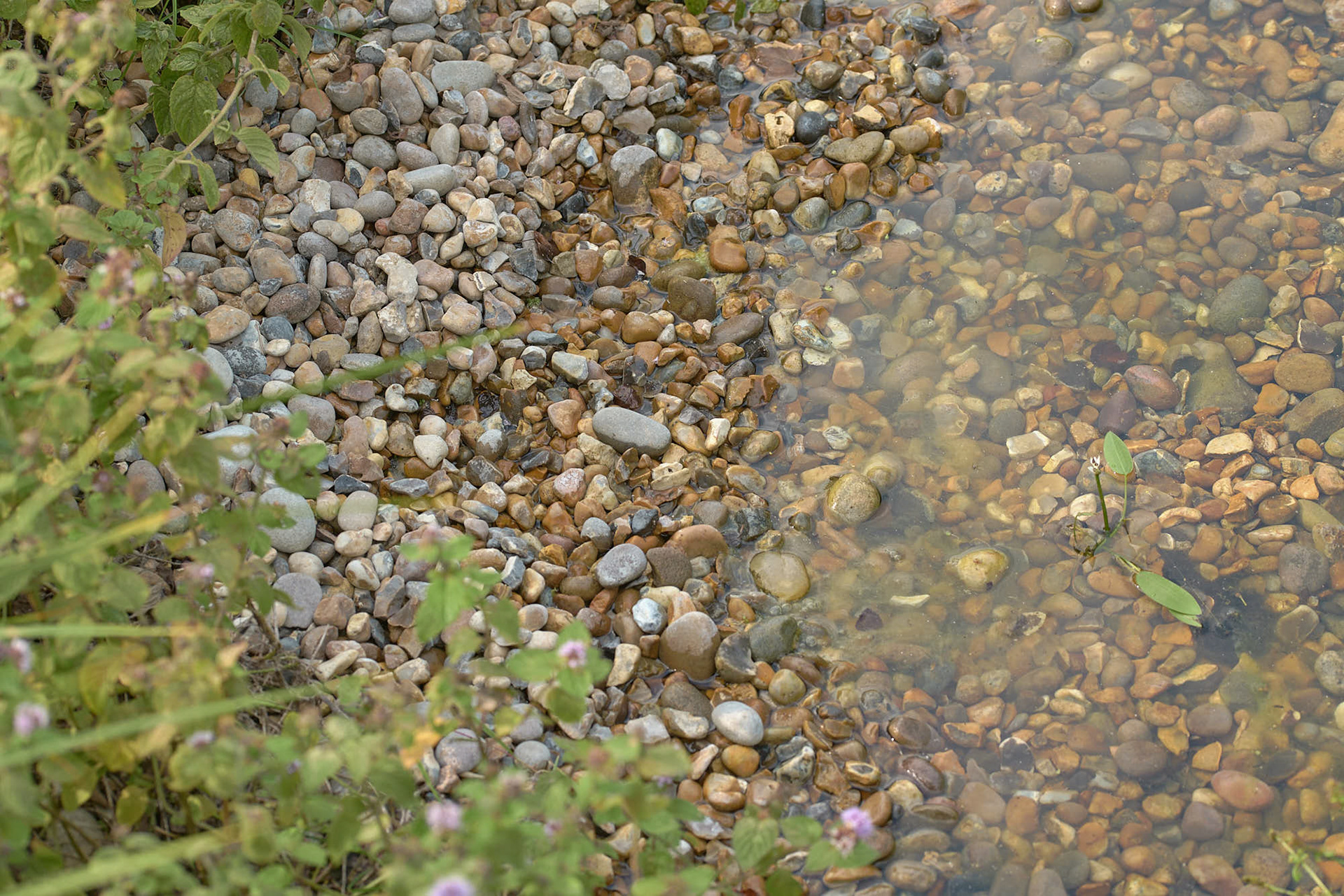
Surprisingly, both of our ponds are filled with gravel.
We began our gardening journey with two massive, stinky holes in the ground. Today, although both are partially filled with gravel, they have evolved into two very different habitats with entirely different characters.
One became a wildlife pond, where the gravel acts as both a low-nutrient substrate and an integral part of the filtration system. The second, now barely recognisable as a pond, was filled with rubble from the garden transformation before being topped with wood chips, soil and gravel. It has since become the perfect habitat for drought-tolerant plants.
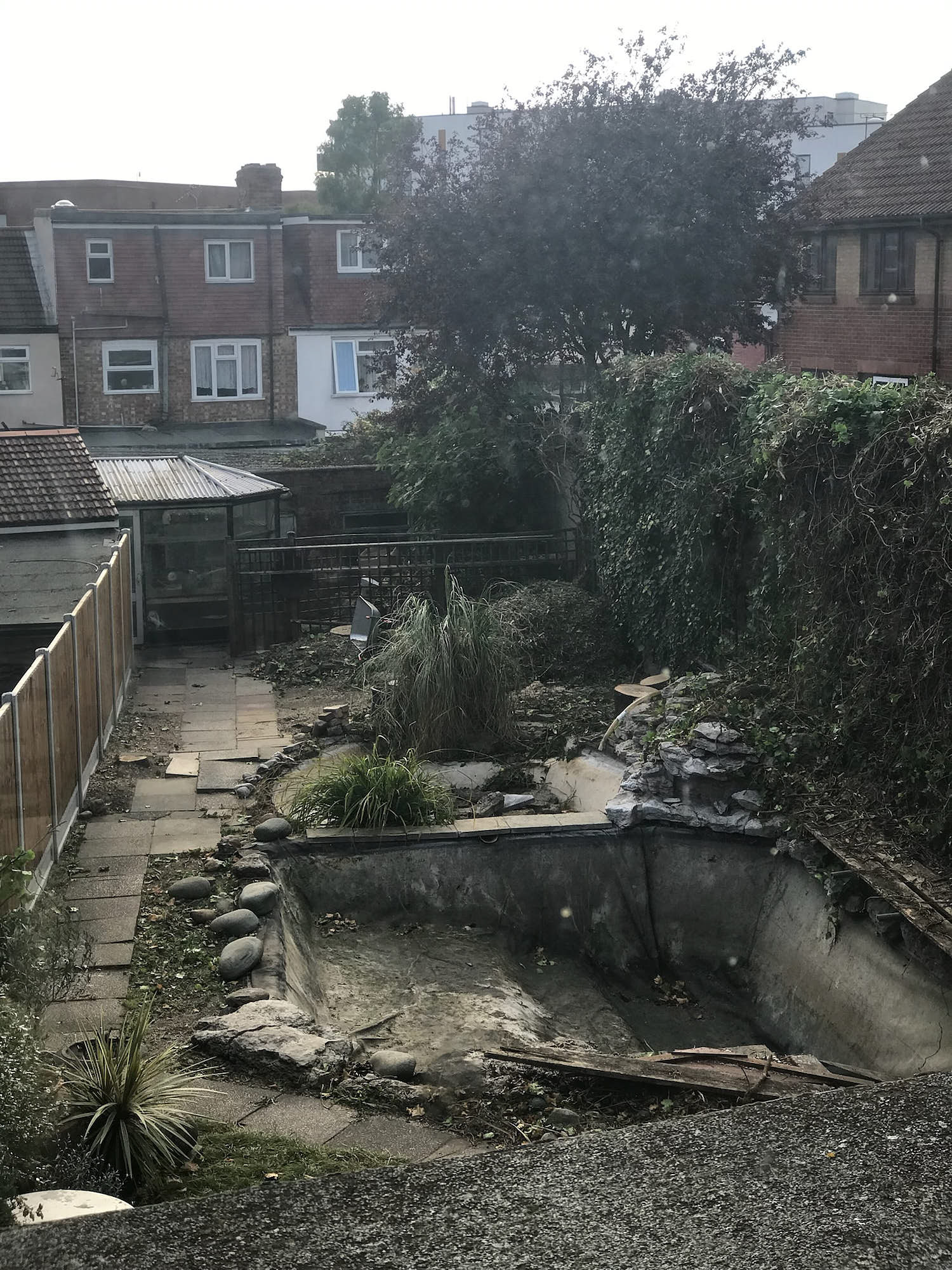


The second pond, now barely recognisable as such, was filled with garden rubble before being topped with wood chips, soil and gravel. Today, it provides the perfect habitat for drought-tolerant plants.
In total, we used 16 bulk bags of gravel (mostly shingle) and two bulk bags of sharp sand for the pond's sandbag wall. Altogether, that meant moving more than 15 tonnes of gravel and sand by wheelbarrow from the front garden to the back.
Looking back, it was a daunting amount of work, but we hope you'll agree it was well worth the effort.

our Garden is available for photoshoots and private events.
If you want to know more how it works, drop us a line by clicking on the icons below. We'd love to hear from you.